For years, commercial banking technology strategy has been framed as a binary decision: build internally or buy externally. But that framing is increasingly misleading.
The real strategic question for mid-market banks is not whether to build or buy. It is what must be controlled — and what should be orchestrated.
Industry veteran Rick Striano, who has led large-scale product organizations at Deutsche Bank and JPMorgan, describes a clear shift underway. The institutions that will win in the mid-market will not be those that attempt to vertically build entire product stacks. They will be the ones that integrate best-in-class components into cohesive, deeply embedded treasury ecosystems.
“Large banks don’t actually build everything,” Rick explains. “They decide very carefully where control is strategic and where partnership accelerates them. The competitive edge doesn’t come from owning every component — it comes from owning the right layers.”
This model works because tier-one institutions operate with structural advantages: significant capital reserves, deep engineering capacity, control over core infrastructure and embedded global distribution. Internal builds can be justified when regulatory control or competitive defensibility is critical.
Mid-market banks operate under very different conditions. Their constraints are not qualitative but quantitative. Engineering depth is leaner. Technology budgets are tighter. Legacy dependencies can be heavier. At the same time, client and regulatory expectations are identical to those placed on global institutions. Real-time transaction visibility, seamless ERP connectivity, embedded services and continuous innovation are no longer differentiators — they are baseline expectations.
This is where the build-versus-buy illusion becomes dangerous.
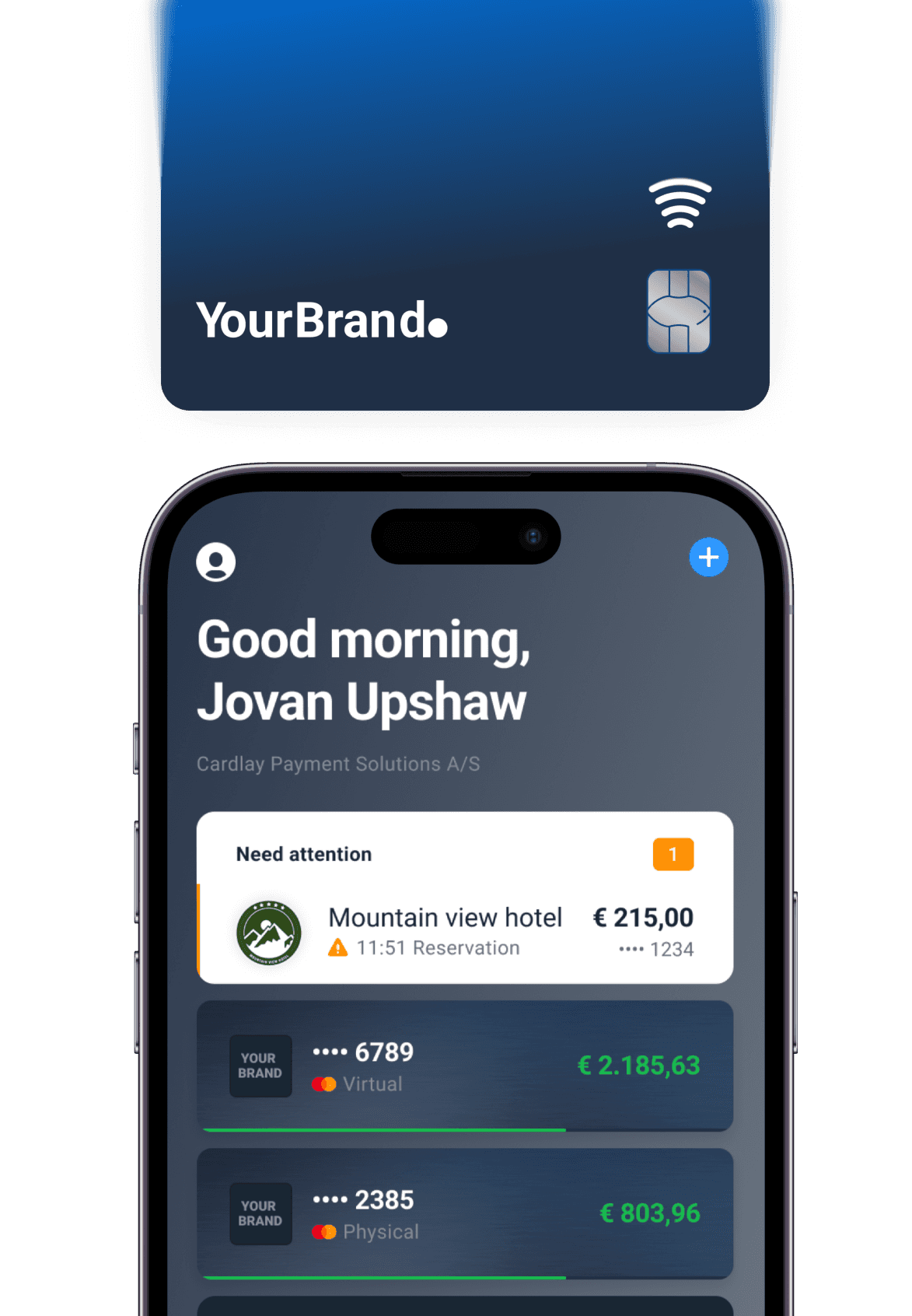
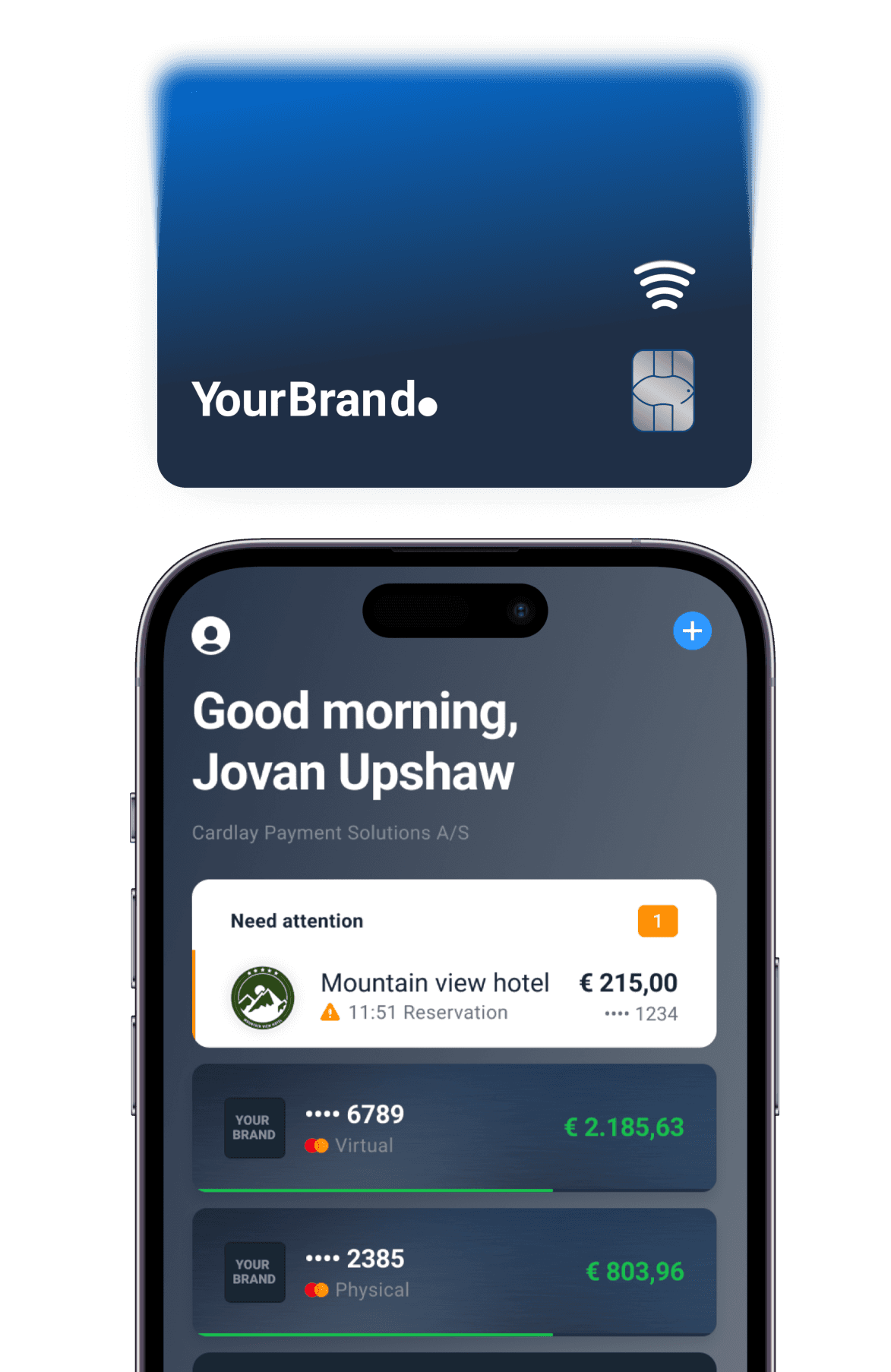
Take spend management as an example. It is frequently treated as a feature expansion. In reality, it is an ecosystem. Delivering a competitive solution requires card issuing and processor integrations, real-time transaction enrichment, ERP connectivity across platforms such as Sage, Quickbooks etc. robust policy engines, multi-entity corporate support, regulatory reporting frameworks and ongoing product iteration.
“The biggest risk isn’t whether you can technically build it,” Rick says. “It’s whether you can deliver it before the market has moved on. In mid-market banking, time is often a major hidden cost of building.”
From concept approval to funding cycles, resourcing and delivery, internal build programs almost always take longer than anticipated. Budget processes alone can consume twelve months. During that time, regulatory priorities shift, leadership focus evolves and competitive benchmarks continue to rise. Meanwhile, fintech providers iterate continuously.
Speed is no longer a competitive advantage. It is a requirement.
Buying off-the-shelf SaaS solutions can reduce implementation timelines and lower delivery risk. Continuous upgrades and operational efficiency are meaningful benefits. Yet horizontal SaaS platforms are typically optimized for scale, not differentiation. Customization may be constrained, and the ability to shape unique client experiences can be limited. The strategic question, therefore, is not whether SaaS works. It is where differentiation truly matters.
In the mid-market, differentiation rarely lives in generic workflow tooling or commodity infrastructure. It lives in orchestration, the ability to unify integrations, data flows, policy enforcement and user experience into a coherent commercial offering.
The mid-market itself is structurally complex and often underserved. These companies frequently operate multi-entity structures across borders, maintain customized ERP environments and require sophisticated approval governance, yet they do so with lean finance teams and limited tolerance for lengthy implementations. They exceed SME tooling but can lack the scale economics that justify enterprise-level bespoke builds.
In this environment, integration depth becomes decisive. ERP, HR, issuer and processor integrations are not peripheral technical components. They are foundational to delivering a seamless client experience. When integration complexity is underestimated, projects stall, workarounds become costly and reputational risk increases. When integration is mastered, it becomes a source of long-term defensibility.
Looking ahead, a clear divide is emerging. The winners in mid-market commercial banking will not operate as feature factories. They will operate as platform orchestrators. They will define and retain control over their strategic layers — client experience, treasury orchestration and data intelligence while leveraging modular ecosystems delivered by specialized partners. They will preserve capital, accelerate time to market and embed services through unified access points.
The debate is no longer build versus buy. It is about what must be controlled and what should be orchestrated.
Mid-market commercial banking will not be won by those who build the most features. It will be won by those who integrate the smartest.
In today’s environment, orchestration is not a technical choice. It is a strategy.