Cardlay’s perspective on the UNCHAIN Fleet & Fuel insights
Cardlay’s perspective on the UNCHAIN Fleet & Fuel insights
The fleet and fuel industry is undergoing one of its most significant transformations in decades.
For decades, the fleet payments ecosystem has been highly complex — built on layers of agreements between oil companies, fleet card providers, leasing companies, and service partners. This complexity was necessary to secure acceptance coverage, manage domestic card limitations, and piece together multiple payment tools just to keep fleets running.
Now, the shift toward open-loop and hybrid payment models is finally simplifying what has long been fragmented. By moving transactions onto global schemes and modern digital platforms, the industry can reduce reliance on legacy agreements, streamline operations, and give customers a single, unified way to manage all fleet spend.
At the UNCHAIN Fintech Festival, this shift was clear: the future of fleet payments is no longer defined by the card itself, but by the infrastructure that surrounds it.
From payment tool to financial engine
Fleet cards now function as core liquidity tools for transport companies.
For many SMEs, the card is their most accessible line of credit, supporting fuel, tolls, VAT handling, and deferred payment terms.
This evolution is reshaping expectations. Operators want:
Real-time visibility into spend
Automated reconciliation
Integrated VAT reclaim
Credit that aligns with business cycles
Tools that reduce not add operational friction
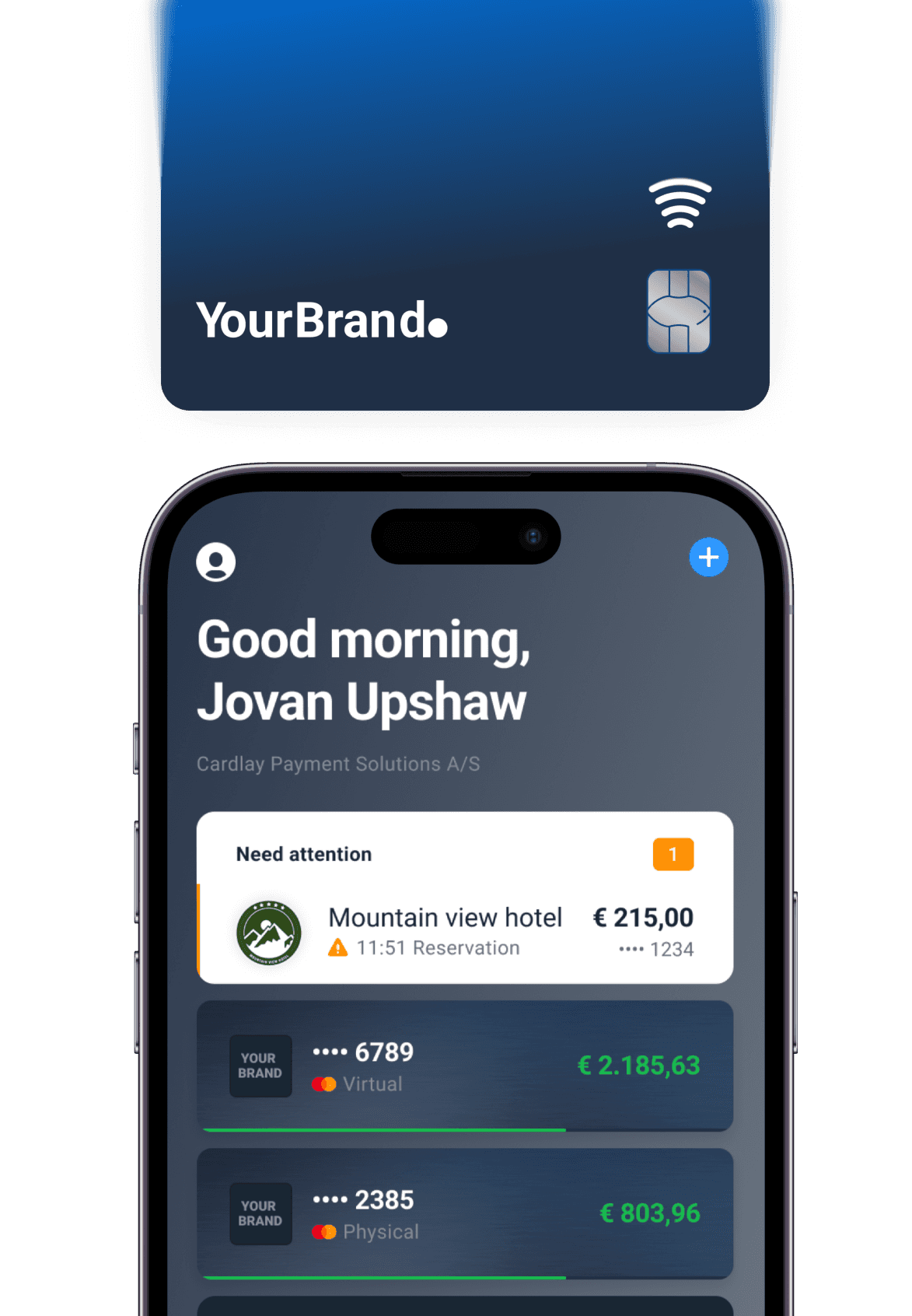
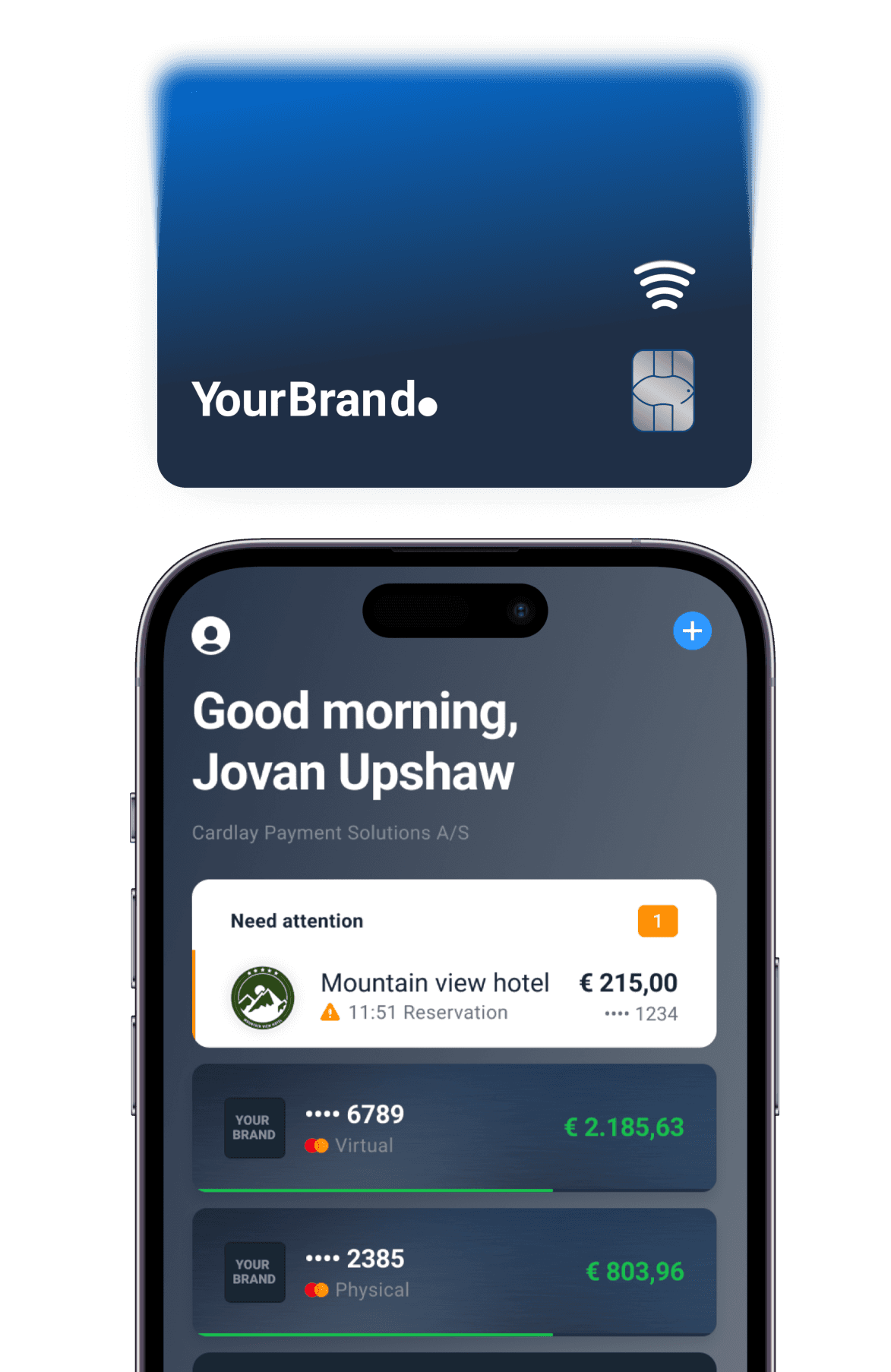
This aligns directly with Cardlay’s white-label platform approach: enabling banks, fleets, and tech providers to launch modern spend experiences without replacing legacy systems.
Data becomes the strategic asset
The industry is moving from passive reporting to predictive, operational intelligence.
Telematics, usage data, spending patterns, and transaction flows are now used to:
Detect financial distress early
Optimize routes
Forecast liquidity
Price loads and plan costs per kilometre
Create dynamic credit limits
These are capabilities that demand scalable, modular, integrated platforms, the exact kind of architecture Cardlay has built for mid-market partners looking to modernize fast.
Control, flexibility, and the open vs. closed dilemma
Closed-loop systems remain appealing because they offer tight control and reduced fraud risk, especially for large transport operators.
Open-loop unlocks network reach, multi-service acceptance, and innovation, but introduces complexity.
The industry is moving toward hybrid models, and Cardlay is already delivering on that by enabling:
Merchant-level control
Dynamic spend rules
Real-time risk scoring
Virtual and route-based cards
Cross-border compliance and reporting
This flexibility allows partners to scale while maintaining the level of control their customers rely on.
Looking beyond cards
The white paper highlights a clear direction: dynamically generated, route-specific virtual cards that exist only for the duration of a trip.
This is not a distant future, the underlying infrastructure is already here, and Cardlay’s platform is built to support this evolution with:
Real-time issuance
Intelligent controls
Unified data layers
Seamless web and mobile UX
Fast, modular integration for banks and fleets
Why Cardlay is positioned for this shift
Cardlay’s strength lies in our platform’s scalability, proven integration track record, and full white-label flexibility. We enable partners to deliver modern fleet payment and spend solutions at a fraction of the cost and time of internal builds, opening new revenue streams through digital cards and SaaS adoption.
Our solution is the core components of future commercial mobility cards connecting the unique pieces of our partners into a holistic offering catering for their portfolios of client demands.
The fleet industry is moving toward deeper integration, smarter infrastructure, and more intelligent financial operations. Cardlay is committed to empowering partners to lead this change.